

师资
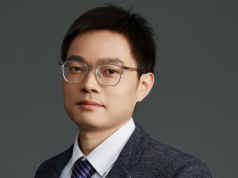
个人简介:
万伟,南方科技大学医学院生物化学系副教授、独立PI、博士生导师。2017年博士毕业于浙江大学医学院,2019年任浙江大学医学院特聘研究员。2026年7月加入南方科技大学医学院。长期聚焦研究自噬的分子机制和生理功能,相关研究成果以通讯或第一作者(含共同)发表于Immunity、Molecular Cell、The EMBO Journal和Autophagy等国际权威期刊。
教育背景:
2012-09至2017-06, 浙江大学,博士
2008-09至2012-06, 中山大学,学士
工作经历:
2026-07至今,南方科技大学医学院,副教授
2019-04至2026-06,浙江大学医学院,特聘研究员
2017-06至2019-04,浙江大学医学院,研究助理
获奖情况及荣誉:
2026-01,浙大医学优秀青年人才奖
2024-12,浙江大学基础医学院优秀青年教师奖
2021-12,浙江大学基础医学院优秀青年教师奖
研究领域:
主要研究方向包括:(1)营养和病原体感知信号调控自噬的分子机制;(2)自噬在细胞代谢和天然免疫中的功能。
发表论文:
1. Xu Y*, Wang Q, Qian C, Lu S, He Z, Liu W*, and Wan W*. Cytosolic DNA inhibits rDNA transcription by retaining the RNA polymerase I transcription machinery. EMBO J 2026, 45(12): 4153-4175. (*co-corresponding author)
2. Xu Y*, Wang Q, Wang J, Qian C, Wang Y, Lu S, Song L, He Z, Liu W*, and Wan W*. The cGAS-STING pathway activates transcription factor TFEB to stimulate lysosome biogenesis and pathogen clearance. Immunity 2025, 58(2): 309-325. (*co-corresponding author)
3. Xu Y*, Qian C, Wang Q, Song L, He Z, Liu W*, and Wan W*. Deacetylation of ATG7 drives the induction of macroautophagy and LC3-associated microautophagy. Autophagy 2024, 20(5): 1134-1146. (*co-corresponding author)
4. Wan W*, Qian C, Wang Q, Li J, Zhang H, Wang L, Pu M, Huang Y, He Z, Zhuo T, Shen HM, and Liu W*. STING directly recruits WIPI2 for autophagosome formation during STING-induced autophagy. EMBO J 2023, 42(8): e112387. (*co-corresponding author)
5. Xu Y, Wu Y, Wang L, Ren Z, Song L, Zhang H, Qian C, Wang Q, He Z, and Wan W. Autophagy deficiency activates rDNA transcription. Autophagy 2022, 18(6): 1338-1349.
6. Shen Q, Shi Y, Liu J, Su H, Huang J, Zhang Y, Peng C, Zhou T, Sun Q, Wan W*, and Liu W*. Acetylation of STX17 (syntaxin 17) controls autophagosome maturation. Autophagy 2021, 17(5): 1157-1169. (*co-corresponding author)
7. Xu Y, Wu Y, Wang L, Qian C, Wang Q, and Wan W. Identification of curcumin as a novel natural inhibitor of rDNA transcription. Cell Cycle 2020, 19(23): 3362-3374.
8. Wan W, You Z, Zhou L, Xu Y, Peng C, Zhou T, Yi C, Shi Y, and Liu W. mTORC1-regulated and HUWE1-mediated WIPI2 degradation controls autophagy flux. Mol Cell 2018, 72(2): 303-315 e306.
9. Wan W, You Z, Xu Y, Zhou L, Guan Z, Peng C, Wong CCL, Su H, Zhou T, Xia H, and Liu W. mTORC1 phosphorylates acetyltransferase p300 to regulate autophagy and lipogenesis. Mol Cell 2017, 68(2): 323-335 e326.
10. Xu Y*, Wan W*, Shou X, Huang R, You Z, Shou Y, Wang L, Zhou T, and Liu W. TP53INP2/DOR, a mediator of cell autophagy, promotes rDNA transcription via facilitating the assembly of the POLR1/RNA polymerase I preinitiation complex at rDNA promoters. Autophagy 2016, 12(7): 1118-1128. (*co-first author)
11. Huang R, Xu Y, Wan W, Shou X, Qian J, You Z, Liu B, Chang C, Zhou T, Lippincott-Schwartz J, and Liu W. Deacetylation of nuclear LC3 drives autophagy initiation under starvation. Mol Cell 2015, 57(3): 456-466.
12. Su H, Yang F, Wang Q, Shen Q, Huang J, Peng C, Zhang Y, Wan W, Wong CCL, Sun Q, Wang F, Zhou T, and Liu W. VPS34 acetylation controls its lipid kinase activity and the initiation of canonical and non-canonical autophagy. Mol Cell 2017, 67(6): 907-921.
13. Xu Y, and Wan W. TP53INP2 mediates autophagic degradation of ubiquitinated proteins through its ubiquitin‐interacting motif. FEBS Lett 2019, 593(15): 1974-1982.
14. You Z, Xu Y, Wan W, Zhou L, Li J, Zhou T, Shi Y, and Liu W. TP53INP2 contributes to autophagosome formation by promoting LC3-ATG7 interaction. Autophagy 2019, 15(8): 1309-1321.
15. You Z, Jiang WX, Qin LY, Gong Z, Wan W, Li J, Wang Y, Zhang H, Peng C, Zhou T, Tang C, and Liu W. Requirement for p62 acetylation in the aggregation of ubiquitylated proteins under nutrient stress. Nat Commun 2019, 10(1): 5792.
16. Pu M, Zheng W, Zhang H, Wan W, Peng C, Chen X, Liu X, Xu Z, Zhou T, Sun Q, Neculai D, and Liu W. ORP8 acts as a lipophagy receptor to mediate lipid droplet turnover. Protein Cell 2023, 14(9): 653-667.
17. Wang Q, Wan W, Zhang H, Zhou T, Shen HM, Huang P, and Liu W. Deacetylation of ATG16L1 is required for LC3-associated lysosomal microautophagy. Autophagy 2025, 2948-2962.
英文:
SELF-INTRODUCTION:
Wei Wan is an Associate Professor in the Department of Biochemistry at the School of Medicine, Southern University of Science and Technology. He received his Ph.D. from Zhejiang University School of Medicine in 2017 and was appointed as a Special Researcher at Zhejiang University School of Medicine in 2019. He joined the School of Medicine Southern University of Science and Technology in 2026. His research has long focused on the molecular mechanisms and physiological functions of autophagy, with related findings published as corresponding or first author in leading journals such as Immunity, Molecular Cell, The EMBO Journal, and Autophagy.
EDUCATION:
2012–2017: Ph.D., Zhejiang University
2008–2012: B.S., Sun Yat-sen University
WOKRING EXPERIENCE:
2026–present: Associate Professor, School of Medicine, Southern University of Science and Technology
2019–2026: Special Researcher, School of Medicine, Zhejiang University
2017–2019: Research Assistant, School of Medicine, Zhejiang University
HONORS AND AWARDS:
2026: Outstanding Young Scholar Award, Zhejiang University School of Medicine
2024: Outstanding Young Faculty Award, School of Basic Medical Sciences, Zhejiang University
2021: Outstanding Young Faculty Award, School of Basic Medical Sciences, Zhejiang University
RESEARCH:
The main research directions include: (1) mechanisms by which nutrient- and pathogen-sensing signals regulate autophagy; (2) functions of autophagy in cell metabolism and innate immunity.
PUBLICATIONS:
1. Xu Y*, Wang Q, Qian C, Lu S, He Z, Liu W*, and Wan W*. Cytosolic DNA inhibits rDNA transcription by retaining the RNA polymerase I transcription machinery. EMBO J 2026, 45(12): 4153-4175. (*co-corresponding author)
2. Xu Y*, Wang Q, Wang J, Qian C, Wang Y, Lu S, Song L, He Z, Liu W*, and Wan W*. The cGAS-STING pathway activates transcription factor TFEB to stimulate lysosome biogenesis and pathogen clearance. Immunity 2025, 58(2): 309-325. (*co-corresponding author)
3. Xu Y*, Qian C, Wang Q, Song L, He Z, Liu W*, and Wan W*. Deacetylation of ATG7 drives the induction of macroautophagy and LC3-associated microautophagy. Autophagy 2024, 20(5): 1134-1146. (*co-corresponding author)
4. Wan W*, Qian C, Wang Q, Li J, Zhang H, Wang L, Pu M, Huang Y, He Z, Zhuo T, Shen HM, and Liu W*. STING directly recruits WIPI2 for autophagosome formation during STING-induced autophagy. EMBO J 2023, 42(8): e112387. (*co-corresponding author)
5. Xu Y, Wu Y, Wang L, Ren Z, Song L, Zhang H, Qian C, Wang Q, He Z, and Wan W. Autophagy deficiency activates rDNA transcription. Autophagy 2022, 18(6): 1338-1349.
6. Shen Q, Shi Y, Liu J, Su H, Huang J, Zhang Y, Peng C, Zhou T, Sun Q, Wan W*, and Liu W*. Acetylation of STX17 (syntaxin 17) controls autophagosome maturation. Autophagy 2021, 17(5): 1157-1169. (*co-corresponding author)
7. Xu Y, Wu Y, Wang L, Qian C, Wang Q, and Wan W. Identification of curcumin as a novel natural inhibitor of rDNA transcription. Cell Cycle 2020, 19(23): 3362-3374.
8. Wan W, You Z, Zhou L, Xu Y, Peng C, Zhou T, Yi C, Shi Y, and Liu W. mTORC1-regulated and HUWE1-mediated WIPI2 degradation controls autophagy flux. Mol Cell 2018, 72(2): 303-315 e306.
9. Wan W, You Z, Xu Y, Zhou L, Guan Z, Peng C, Wong CCL, Su H, Zhou T, Xia H, and Liu W. mTORC1 phosphorylates acetyltransferase p300 to regulate autophagy and lipogenesis. Mol Cell 2017, 68(2): 323-335 e326.
10. Xu Y*, Wan W*, Shou X, Huang R, You Z, Shou Y, Wang L, Zhou T, and Liu W. TP53INP2/DOR, a mediator of cell autophagy, promotes rDNA transcription via facilitating the assembly of the POLR1/RNA polymerase I preinitiation complex at rDNA promoters. Autophagy 2016, 12(7): 1118-1128. (*co-first author)
11. Huang R, Xu Y, Wan W, Shou X, Qian J, You Z, Liu B, Chang C, Zhou T, Lippincott-Schwartz J, and Liu W. Deacetylation of nuclear LC3 drives autophagy initiation under starvation. Mol Cell 2015, 57(3): 456-466.
12. Su H, Yang F, Wang Q, Shen Q, Huang J, Peng C, Zhang Y, Wan W, Wong CCL, Sun Q, Wang F, Zhou T, and Liu W. VPS34 acetylation controls its lipid kinase activity and the initiation of canonical and non-canonical autophagy. Mol Cell 2017, 67(6): 907-921.
13. Xu Y, and Wan W. TP53INP2 mediates autophagic degradation of ubiquitinated proteins through its ubiquitin‐interacting motif. FEBS Lett 2019, 593(15): 1974-1982.
14. You Z, Xu Y, Wan W, Zhou L, Li J, Zhou T, Shi Y, and Liu W. TP53INP2 contributes to autophagosome formation by promoting LC3-ATG7 interaction. Autophagy 2019, 15(8): 1309-1321.
15. You Z, Jiang WX, Qin LY, Gong Z, Wan W, Li J, Wang Y, Zhang H, Peng C, Zhou T, Tang C, and Liu W. Requirement for p62 acetylation in the aggregation of ubiquitylated proteins under nutrient stress. Nat Commun 2019, 10(1): 5792.
16. Pu M, Zheng W, Zhang H, Wan W, Peng C, Chen X, Liu X, Xu Z, Zhou T, Sun Q, Neculai D, and Liu W. ORP8 acts as a lipophagy receptor to mediate lipid droplet turnover. Protein Cell 2023, 14(9): 653-667.
17. Wang Q, Wan W, Zhang H, Zhou T, Shen HM, Huang P, and Liu W. Deacetylation of ATG16L1 is required for LC3-associated lysosomal microautophagy. Autophagy 2025, 2948-2962.